
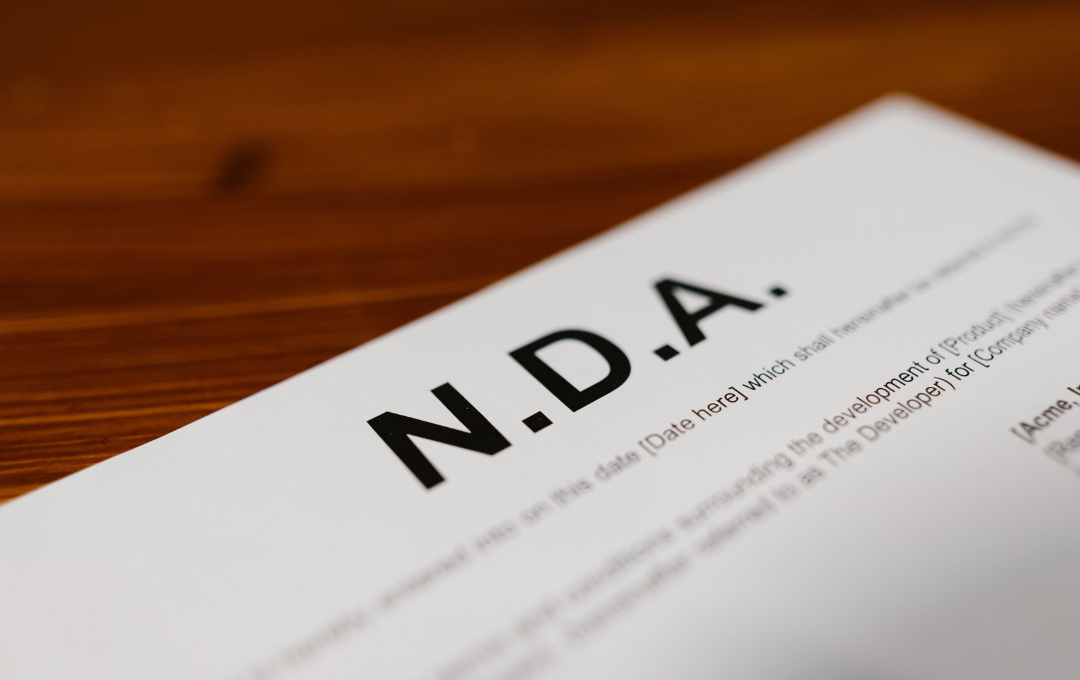
Employers may worry about the use of Non-Disclosure Agreements (NDA) following a series of press stories that have highlighted the abuse of the system.
The agreement does have a place for businesses, according to the Advisory, Conciliation and Arbitration Service (ACAS). Companies can ask employees to sign an NDA as a condition of employment to protect legitimate business interests.
The agreement becomes legally void if the company attempts to cover up workplace harassment, discrimination or certain criminal activities.
When NDAs are used
NDAs are generally used when someone starts a new job, to protect a company's confidential information or when their job is coming to an end, perhaps after a dispute, to keep the details confidential.
A non-disclosure agreement is legally binding and enforceable. Should one party not keep to the agreement’s terms, the other party can take them to court for breach of contract.
Compensation could be awarded.
Settlement agreements usually fall under the definition of an NDA and may be applied after resolving a dispute at work, even if the employee remains in their job. In these cases, the agreed financial settlements, the terms or the circumstances leading to the settlement remain confidential.
When NDAs fail
Many NDAs are neither legally binding nor enforceable. For example, a whistleblower, someone who reports wrongdoing at work that affects others, including the public, is exempt. It is known as 'making a disclosure in the public interest'.
Similarly, reporting a crime to the police or sharing information of a crime along with discussing their pay with anyone at work for reasons relating to equal pay, will not fall under an NDA agreement.
The ACAS guidelines can be found at www.acas.org.uk/non-disclosure-agreements

Avoiding late payments with an invoicing strategy

Major business consequences of Deposit Return Scheme
